
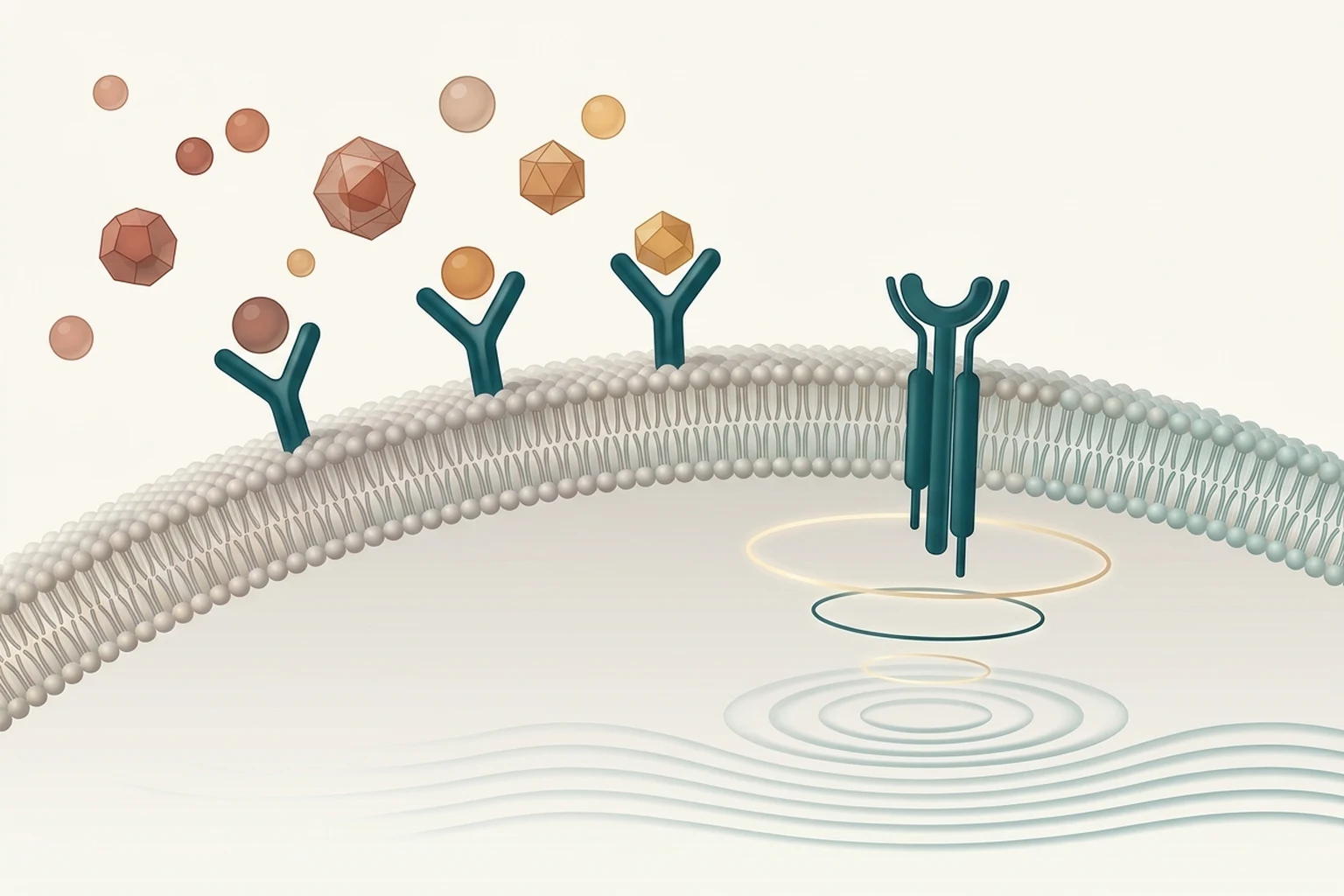
Artificial intelligence-generated image. Not an actual patient or treatment result.
New Hidradenitis Suppurativa Treatments in 2026 and Beyond: Povorcitinib Phase 3 Trials, 2-Year Biologics, and Dual Targeted Therapy

Chief Medical Officer
If you have already cycled through Humira, Cosentyx, or Bimzelx and feel out of options, 2026 has delivered the strongest wave of hidradenitis suppurativa (HS) clinical science in history: positive Phase 3 trials for a once-daily selective oral Janus kinase 1 (JAK1) pill (povorcitinib), 2-year durability confirmation for dual IL-17 blockade, and structured specialist strategies for refractory tunnels (Porter 2026; Sayed 2026). Understanding what is FDA-approved right now versus what is still investigational helps you plan smart next steps with an HS specialty center.
In this article
What did the 2026 Phase 3 oral povorcitinib trials show for hidradenitis suppurativa?
Many HS patients hope for a targeted daily pill that works broadly across inflammatory cytokines without weekly injections. In 2026, Nature Medicine published the identically designed, randomized, double-blind, placebo-controlled Phase 3 STOP-HS1 (608 adults) and STOP-HS2 (619 adults) trials of povorcitinib, an oral highly selective Janus kinase 1 (JAK1) inhibitor, co-authored by international HS leaders including UNC specialist Christopher Sayed (Porter 2026).
- Primary week-12 clinical response (HiSCR50): both once-daily doses beat placebo in both trials. In STOP-HS1, 82 of 204 (40%) on 45 mg and 82 of 202 (41%) on 75 mg met HiSCR50 versus 60 of 202 (30%) on placebo. In STOP-HS2, 88 of 208 (42%) on 45 mg and 88 of 208 (42%) on 75 mg met HiSCR50 versus 58 of 203 (29%) on placebo.
- Fast relief and week-54 tunnel reduction: drops in abscesses, nodules, draining tunnels, and skin pain appeared as early as week 3 and deepened through week 54, when pooled mean reductions in total abscess and nodule counts reached 55.5% to 64.2% and draining tunnel counts fell 47.1% to 64.2% (with the 75 mg dose showing slightly larger draining-tunnel cuts).
- Safety through 54 weeks: serious adverse events occurred in 1% to 2% on povorcitinib versus 2% to 3% on placebo during the 12-week blinded period, and 5% (45 mg) and 6% (75 mg) through week 54. The most frequent side effects through week 54 were acne (17% on 45 mg; 20% on 75 mg), nasopharyngitis (10% to 12%), and upper respiratory tract infection (10% to 11%). One death occurred in a patient with severe comorbidities after hospitalization for leg fractures and was deemed unrelated to povorcitinib.
Important regulatory status: povorcitinib is investigational and is not yet FDA-approved for HS. For adults who need an oral JAK inhibitor today while awaiting regulatory review, upadacitinib (Rinvoq 30 mg daily) already carries a conditional off-label recommendation in the October 20, 2026 joint American Academy of Dermatology (AAD) and Hidradenitis Suppurativa Foundation (HSF) guidelines (Naik 2026). Compare approved and off-label options in our 2026 HS biologic ladder guide.
How well do current biologics hold up over 2 years and what predicts adalimumab loss of response?
Two 2026 studies involving Christopher Sayed answer the questions patients ask most once they start a biologic: "Will this still work in 2 years?" and "Why did my Humira stop working?"
- Two-year bimekizumab (Bimzelx) durability: in pooled results from BE HEARD I and II and their open-label extension (556 adults entered; 446 received bimekizumab to Year 2), overall adverse-event rates did not rise with longer use (261.6 per 100 patient-years in Year 1 versus 235.7 in Year 2), with oral thrush occurring at 12.5 per 100 patient-years in Year 2 (Sayed 2026). Among patients remaining through Year 2, 85.4% achieved HiSCR50 (at least 50% reduction), 77.1% reached HiSCR75 (at least 75% reduction), 57.6% reached HiSCR90 (at least 90% reduction), and 44.2% reached complete 100% lesion clearing (HiSCR100), with sustained pain and quality-of-life gains (remembering that open-label extension percentages reflect patients who stayed on therapy).
- Predictors of adalimumab durability: in a three-center retrospective cohort of 135 adults starting adalimumab as their first biologic between 2013 and 2023, advancing to Hurley Stage 3 was independently linked to shorter treatment durability, whereas baseline white blood cell counts, albumin, age, and sex did not predict who would lose response (Young 2026). Treating moderate HS decisively before widespread Stage 3 scarring accumulates pays real long-term dividends.
What options exist when Humira, Cosentyx, and Bimzelx all fall short?
HS activates several overlapping immune pathways simultaneously (tumor necrosis factor alpha [TNF-alpha], interleukin-1, interleukin-17, and JAK signaling), which explains why a subset of patients remain refractory even after trying standard FDA-approved biologics. Academic HS specialty centers evaluate four structured next steps:
| Refractory Strategy | 2026 Evidence Status | Clinical Role & Cautions |
|---|---|---|
| Weight-based intravenous infliximab (Remicade) | Strong October 2026 guideline recommendation (off-label for HS; Naik 2026) | Flexible weight-based dosing often rescues patients who outpaced flat-dose Humira; requires infusion visits |
| Oral upadacitinib (Rinvoq 30 mg) or clinical trial enrollment (such as oral JAK1 trials) | Conditional October 2026 recommendation (off-label for HS); povorcitinib completed Phase 3 (Porter 2026) | Broad intracellular pathway control; requires JAK boxed-warning discussion and blood-count and lipid monitoring |
| Golimumab (off-label TNF-alpha blocker) | Examined in 2026 JAMA Dermatology report by Madeline Sage and Christopher Sayed for treatment-refractory HS (Sage 2026) | Specialist off-label salvage option after prior TNF or IL-17 failure; not FDA-approved for HS |
| Dual targeted therapy (two complementary biologics, or biologic plus JAK inhibitor) | 2026 narrative review found HS-specific published evidence limited to isolated case reports (Kherallah 2026) | Reserved strictly for carefully selected severe refractory cases at academic HS centers with close infection surveillance and prospective data still needed |
Never forget the mechanical piece either: when one stubborn draining sinus tract refuses to quit even on strong systemic medication, pairing systemic therapy with awake clinic deroofing removes the physical epithelial tunnel holding fluid rather than blaming the medication unfairly.
How are specialists discussing fecal calprotectin gut screening before interleukin-17 blockers?
Patients with HS carry an elevated baseline risk of Crohn disease and ulcerative colitis, and IL-17 blockers (secukinumab and bimekizumab) can occasionally unmask or flare inflammatory bowel disease (IBD) (Mallela 2025). Even people without dramatic belly cramps sometimes harbor quiet subclinical gut inflammation.
In 2026, dermatology researchers proposed integrating fecal calprotectin (a noninvasive stool test detecting intestinal inflammation) into a multimodal safety screen before starting bimekizumab in HS (Du 2026), prompting published Journal of the American Academy of Dermatology correspondence from UNC specialists including Christopher Sayed alongside clinical collaborators examining how pre-treatment gastrointestinal screening fits into real-world practice (Summers 2026). Always tell your dermatologist if you have recurring loose stools, abdominal cramping, blood in the stool, or a family history of Crohn disease before starting an IL-17 inhibitor.
What emerging non-surgical procedures are being studied for stubborn tunnels?
Beyond traditional clinic deroofing and wide excision, dermatologists are investigating office techniques that shrink active draining tunnels with minimal recovery time. In a 2026 Spanish observational study of 66 HS patients with inflamed draining tunnels, researchers compared ultrasound-guided percutaneous galvanic current (26 patients) against ultrasound-guided intralesional triamcinolone injections (40 patients) (Soto-Moreno 2026). At 12 weeks, 77.6% of galvanic-current patients reached complete clinical and ultrasound response (with physical tunnel fibrosis in 38.5% of treated tunnels) versus 55% after steroid injection, with good short-term safety. As a non-randomized observational study, randomized trials are still needed before galvanic tunnel therapy enters standard guidelines, yet it signals an exciting future of image-guided, tissue-sparing tunnel care.
Important Information
This article summarizes published 2025 and 2026 medical literature for educational purposes only and is not personal medical advice. Povorcitinib is an investigational oral therapy not yet approved by the United States Food and Drug Administration. Upadacitinib, infliximab, golimumab, and dual targeted therapy combinations are off-label for hidradenitis suppurativa in the United States and carry serious infection and medication-specific safety risks requiring close specialist supervision. Always make complex systemic or clinical-trial decisions with a board-certified dermatologist.
Sources
- Porter ML, Martorell A, Sayed CJ, Bechara FG, Lev-Tov H, et al. Povorcitinib for hidradenitis suppurativa: the randomized, double-blind, placebo-controlled STOP-HS1 and STOP-HS2 phase 3 trials. Nature Medicine 2026.
- Sayed CJ, Kirby B, Garg A, Naik HB, Kimball AB, et al. Bimekizumab demonstrated a favorable safety profile and high levels of efficacy with up to 2 years of treatment in patients with moderate to severe hidradenitis suppurativa. Journal of the American Academy of Dermatology 2026.
- Young AT, Pannu A, Velaoras A, Leyson R, Shams RB, et al. Predictors of adalimumab durability in hidradenitis suppurativa: a multicenter cohort study. Journal of Dermatological Treatment 2026.
- Sage M, Sayed CJ. Golimumab in Treatment-Refractory Hidradenitis Suppurativa. JAMA Dermatology 2026.
- Kherallah K, Chung CS, Ghanshani R, Charrow A, Riley JM, et al. Dual Targeted Therapy for Hidradenitis Suppurativa: A Narrative Review. Dermatology and Therapy 2026.
- Du W, Chen H. Beyond gastrointestinal symptom burden: Integrating fecal calprotectin into a multimodal safety strategy before initiating bimekizumab in hidradenitis suppurativa. Journal of the American Academy of Dermatology 2026.
- Summers EG, Herfarth H, Crater C, Deherder D, Sayed CJ. Response to Du et al, Integrating fecal calprotectin into a multimodal safety strategy before initiating bimekizumab in hidradenitis suppurativa. Journal of the American Academy of Dermatology 2026.
- Soto-Moreno A, Cuenca-Barrales C, Sanchez-Diaz M, Garcia-Vidal JA, Medina-Mirapeix F, et al. Ultrasound-guided Percutaneous Galvanic Current Compared to Ultrasound-guided Intralesional Corticosteroid Infiltration in Tunnels of Hidradenitis Suppurativa. Actas Dermo-Sifiliograficas 2026.
- Mallela T, Passannante L, Patel H, Onyeji L, Sayed C. Management of Hidradenitis Suppurativa in Special Populations: A Narrative Review. Dermatology and Therapy 2025.
- Naik HB, Yeung H, Frazer-Green L, et al. Joint American Academy of Dermatology-Hidradenitis Suppurativa Foundation guidelines of care for the management of hidradenitis suppurativa. Journal of the American Academy of Dermatology 2026.
- Hidradenitis Suppurativa Foundation. Provider Directory and Clinical Resources.
Related Articles
Hidradenitis Suppurativa
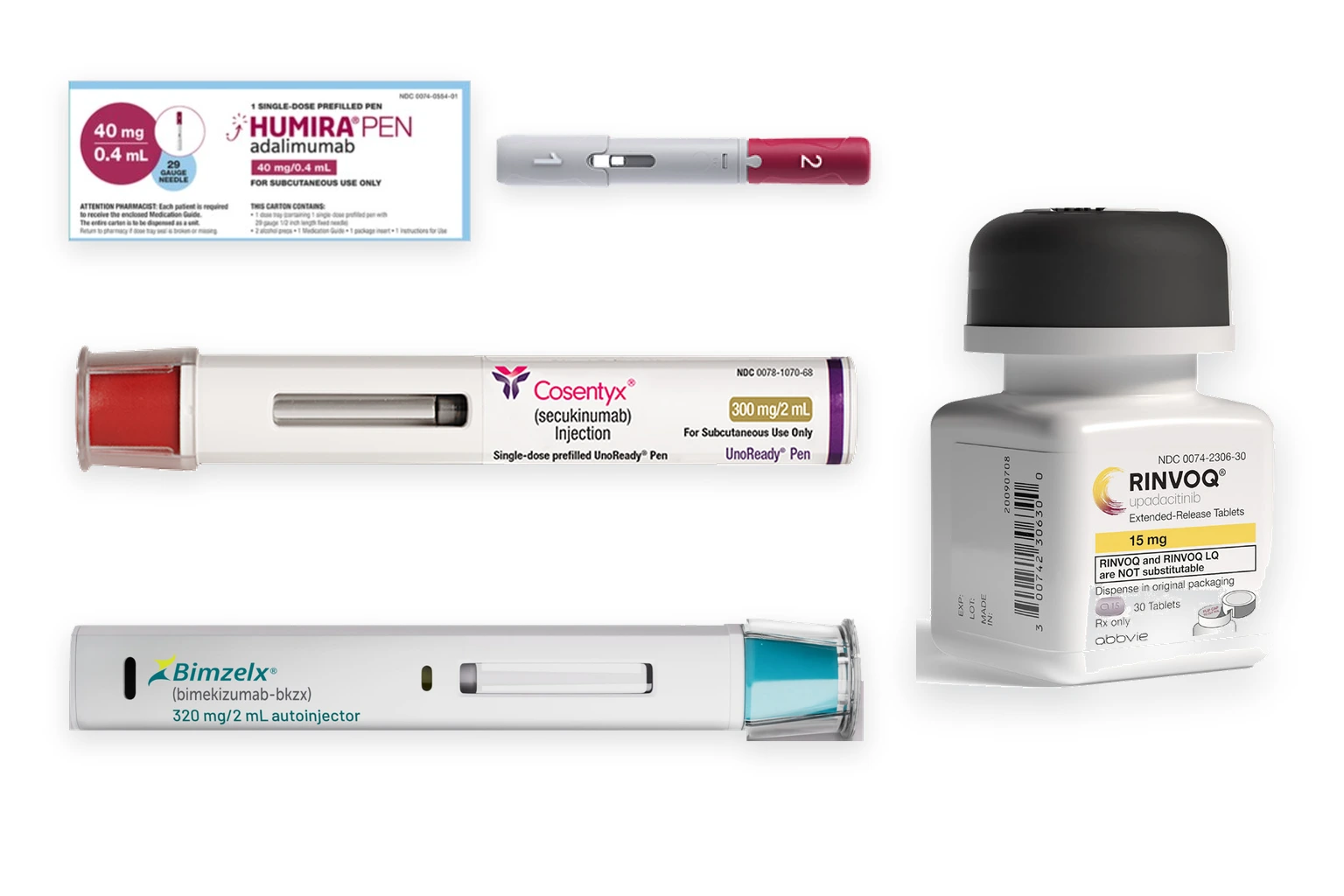
Humira, Cosentyx, Bimzelx, and Rinvoq for Hidradenitis Suppurativa: The 2026 Targeted Therapy Ladder
Nov 25, 2026 · 16 min read
Hidradenitis Suppurativa
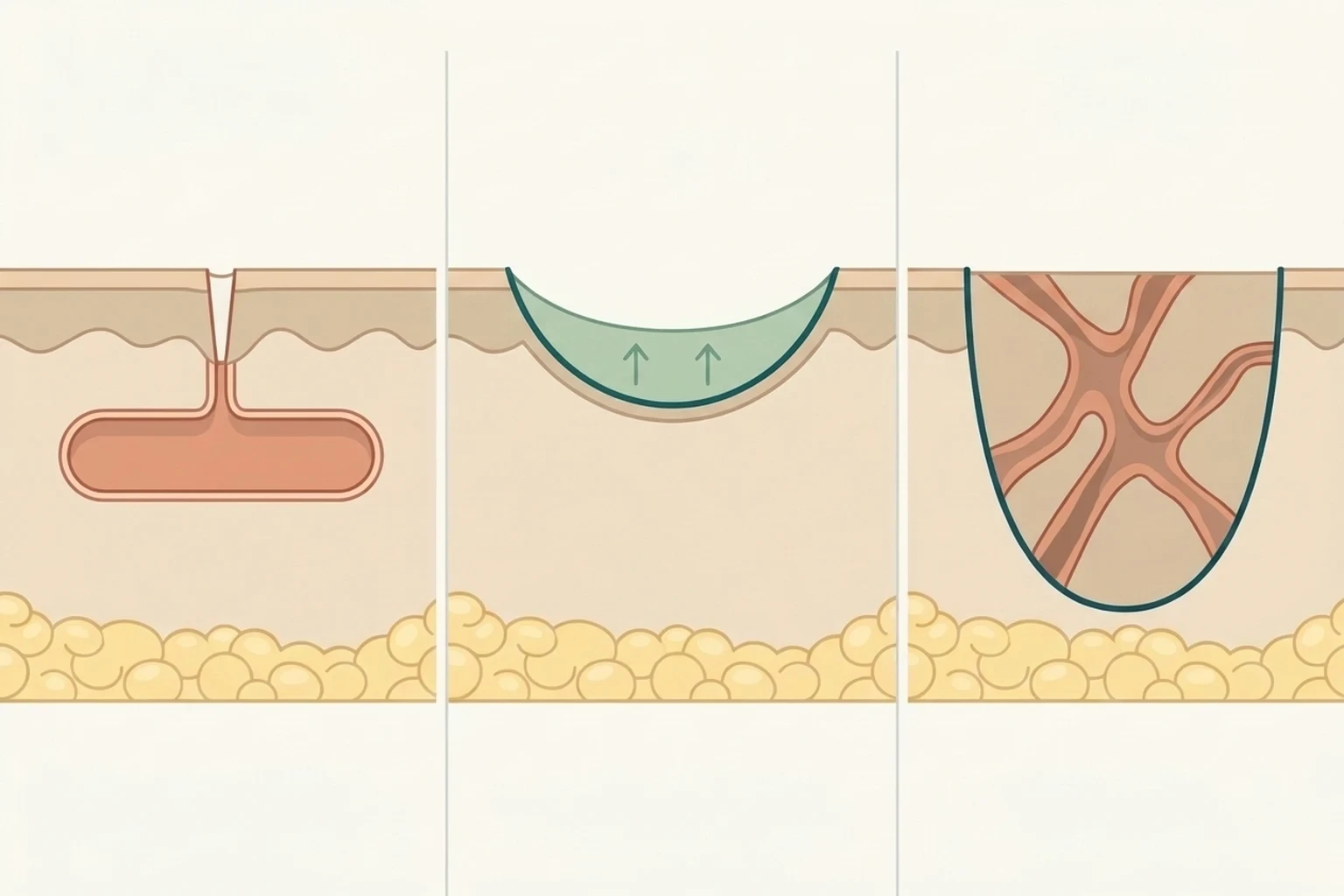
Hidradenitis Suppurativa Deroofing Versus Wide Excision Surgery: Recovery, Recurrence, and Weight-Denial Myths
Nov 25, 2026 · 10 min read
Hidradenitis Suppurativa
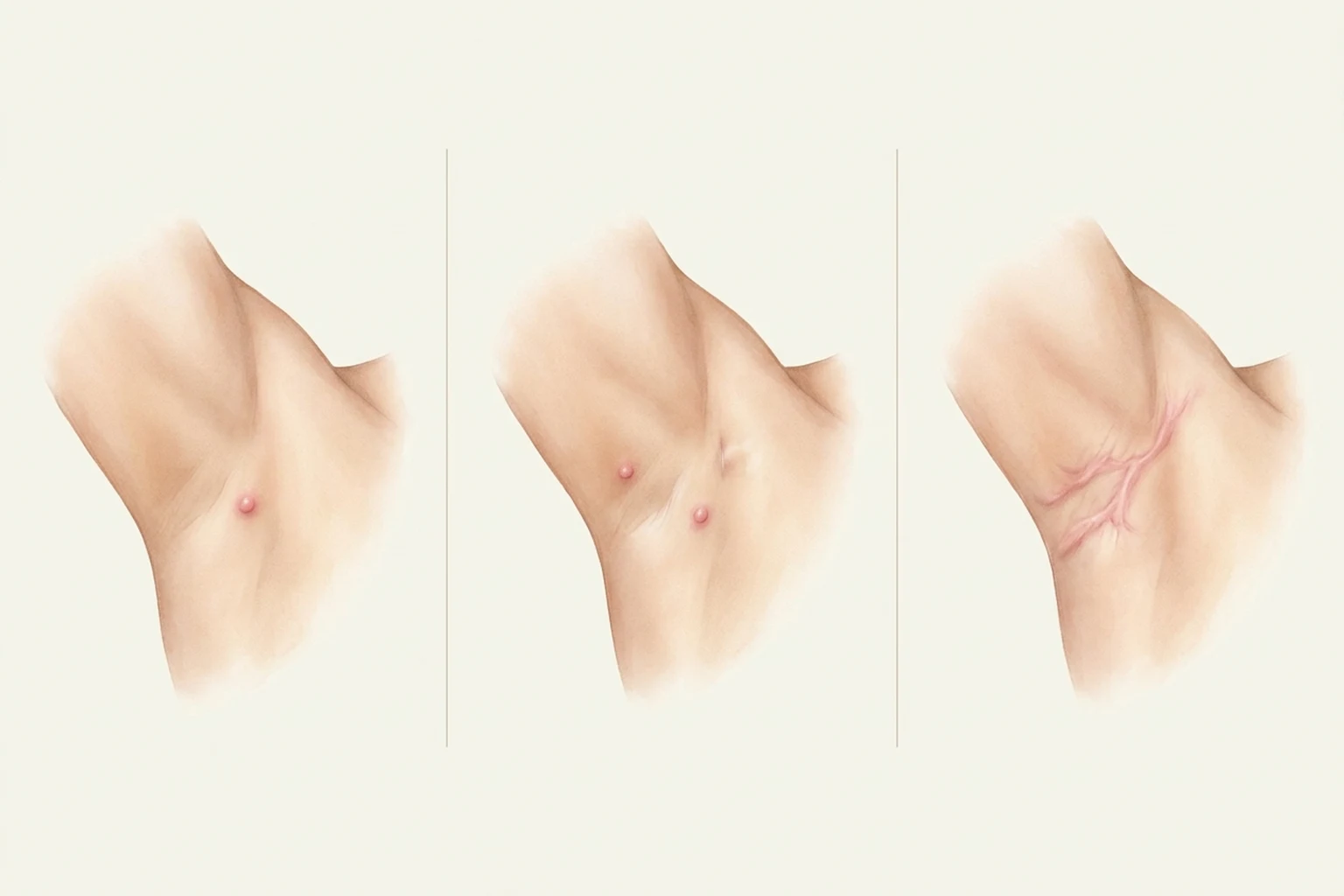
Hidradenitis Suppurativa: The Complete 2026 Dermatologist Guide (Stages, Causes, and New Guidelines)
Nov 25, 2026 · 14 min read