
Living with eczema often means navigating an overwhelming array of treatment options, from prescription medications to countless natural remedies promising relief. While many patients seek gentler, more holistic approaches to complement their medical care, separating effective natural treatments from well-marketed myths requires careful evaluation of the scientific evidence. This comprehensive guide examines which natural remedies truly support skin barrier repair and inflammation control, which ones waste your time and money, and how to integrate proven holistic strategies with modern prescription treatments for optimal eczema management.
Understanding the Foundation of Effective Holistic Eczema Care
Eczema, or atopic dermatitis, fundamentally involves two interconnected problems: a compromised skin barrier that allows moisture to escape and irritants to enter, and an overactive immune response that creates persistent inflammation. Any successful natural treatment approach must address both issues without introducing new triggers or irritants. The cornerstone of holistic eczema management rests on three pillars: consistent moisturization to repair and maintain the skin barrier with proven ingredients, strategic bathing practices that cleanse without stripping protective oils, and systematic identification and avoidance of personal triggers. Once these fundamentals are established, specific natural ingredients and therapies can provide meaningful additional benefits for many patients.
The Coconut Oil Question: Separating Fact from Fiction
Among natural remedies, coconut oil has generated significant interest and debate in the eczema community. The scientific evidence suggests it can indeed help certain patients, though it's not universally beneficial. A randomized controlled trial published in the International Journal of Dermatology studied children with mild to moderate atopic dermatitis and found that coconut oil application twice daily for eight weeks led to greater improvements in disease severity scores and transepidermal water loss compared to mineral oil. The researchers attributed these benefits partly to coconut oil's antimicrobial properties, particularly its effectiveness against Staphylococcus aureus, which commonly colonizes eczematous skin and can trigger flares.
The key to success with coconut oil lies in proper selection and application. Choose cold-pressed, virgin coconut oil rather than refined versions, as processing can remove beneficial compounds. Apply a thin layer to slightly damp skin after bathing to enhance absorption and barrier protection. However, coconut oil isn't suitable for everyone. Patients with known coconut allergies should obviously avoid it, and those who develop any signs of contact dermatitis, such as increased redness, itching, or burning after application, should discontinue use immediately. Some dermatologists recommend patch testing on a small area of unaffected skin for 48 hours before widespread use.
Natural Moisturizers That Science Supports
Beyond coconut oil, several other natural moisturizers have demonstrated efficacy in clinical studies. Sunflower seed oil stands out for its high linoleic acid content, which plays a crucial role in maintaining skin barrier integrity. Research published in Pediatric Dermatology and other journals indicates that sunflower seed oil can improve barrier function and may reduce infection risk, particularly in patients with sensitive skin. The oil works best when applied as a thin occlusive layer over a fragrance-free moisturizing cream on damp skin, creating a dual barrier that locks in hydration.
Colloidal oatmeal represents another evidence-based natural remedy with a long history of dermatological use. The avenanthramides found in colloidal oatmeal possess documented anti-inflammatory and anti-itch properties. Clinical trials have shown that leave-on creams containing colloidal oatmeal can improve eczema severity scores within just two weeks of regular use. Oatmeal baths can provide temporary relief during flares, though patients with confirmed oat or wheat allergies should exercise caution or avoid these products entirely.
Interestingly, while olive oil enjoys a reputation as a natural moisturizer, research suggests it may actually disrupt the skin barrier in some individuals with eczema-prone skin. A study in the British Journal of Dermatology found that olive oil application could worsen barrier function, highlighting the importance of choosing evidence-based natural remedies rather than assuming all natural oils are beneficial.
Antiseptic Bathing: What the Evidence Shows
For patients experiencing frequent bacterial infections or weeping eczema, dilute bleach baths have emerged as a scientifically supported intervention. Multiple studies demonstrate that carefully prepared bleach baths, typically using a half cup of regular household bleach in a full bathtub of water, can modestly reduce eczema severity and decrease Staphylococcus aureus colonization. While some research shows benefits compared to regular water baths, the effect size is often modest, and proper dilution is critical to avoid irritation. Patients should always follow their dermatologist's specific instructions and apply moisturizer immediately after bathing.
In contrast, apple cider vinegar soaks, despite widespread online promotion, lack scientific support for eczema treatment. A controlled study published in Pediatric Dermatology found that dilute apple cider vinegar soaks failed to improve skin barrier function or favorably alter the skin microbiome, and many participants experienced irritation. Given the lack of proven benefits and potential for harm, most dermatologists recommend avoiding this popular but ineffective remedy.
The Complex World of Botanical and Essential Oil Treatments
Essential oils and botanical extracts require particular caution in eczema management. Tea tree oil, despite its antimicrobial properties, frequently causes allergic and irritant contact dermatitis, especially on already compromised eczematous skin. Even when properly diluted, many patients experience stinging, burning, or worsening of their eczema. Essential oils in general represent one of the most common triggers for eyelid and facial eczema flares, making fragrance-free products the safest choice for most patients.
The supplement market has long promoted evening primrose oil and borage oil as natural anti-inflammatory treatments for eczema. However, multiple systematic reviews, including those from the Cochrane Collaboration, consistently conclude these supplements perform no better than placebo in clinical trials. Given their lack of efficacy and potential for gastrointestinal side effects, most dermatologists no longer recommend these costly supplements.
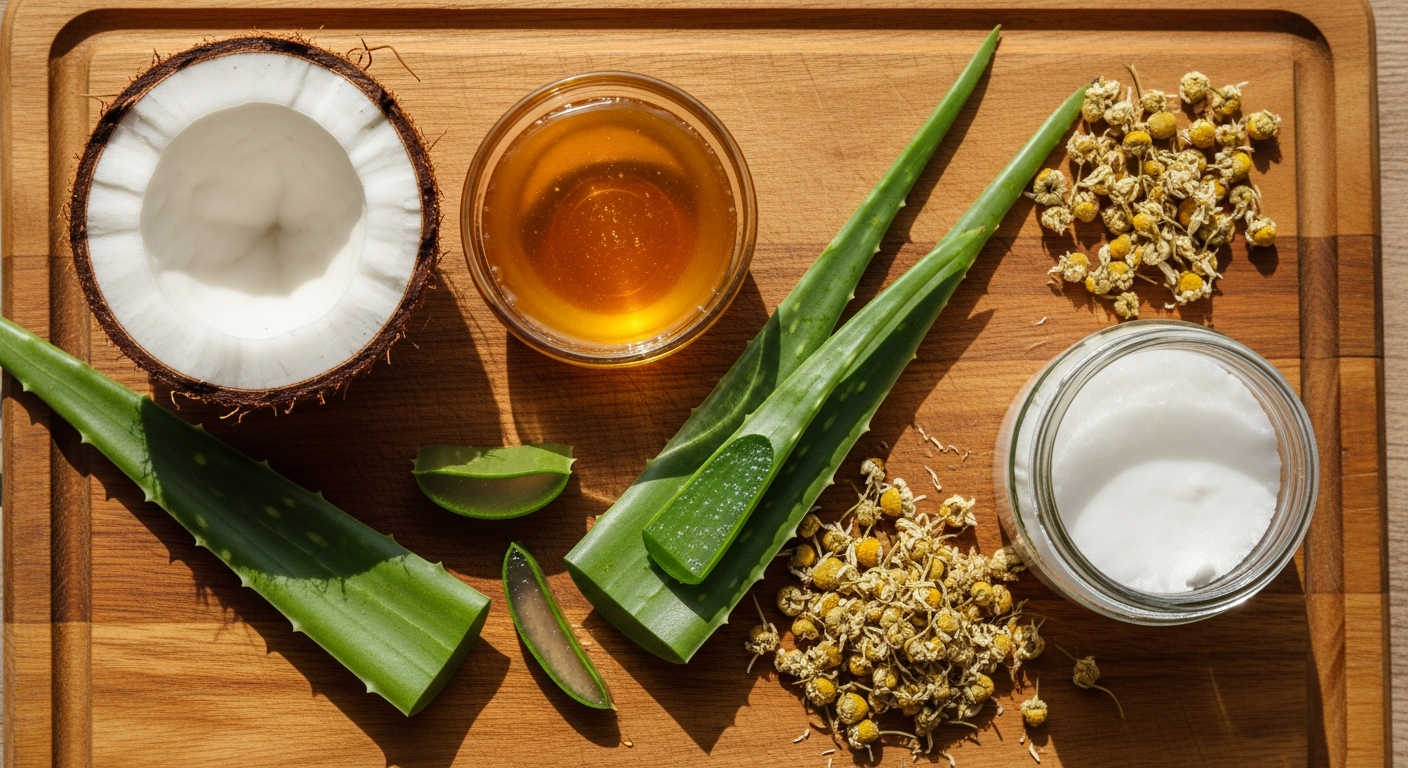
Other botanical remedies like curcumin creams, aloe vera, and medical-grade honey have shown promise in small studies, but high-quality evidence remains limited. Patients interested in trying these remedies should maintain an otherwise stable, simple routine to identify any adverse reactions quickly.
Emerging Evidence on Diet, Gut Health, and Systemic Factors
The relationship between internal health and eczema continues to evolve with new research. Probiotics have generated considerable interest, though results remain inconsistent and appear highly strain-specific. Recent meta-analyses suggest possible modest benefits in some populations, but the variability in results has prevented professional organizations from recommending routine probiotic therapy for all eczema patients. Those interested in trying probiotics should discuss a time-limited trial with their dermatologist and choose products with clinically studied strains and appropriate dosing.
Vitamin D supplementation represents a more promising systemic intervention. Several meta-analyses indicate that vitamin D supplementation may reduce eczema severity, particularly in patients with documented deficiency and during winter months when natural vitamin D synthesis is limited. However, supplementation should occur under medical guidance to ensure appropriate dosing and monitoring.
A fascinating area of emerging research involves dietary sodium intake. A large population study published in JAMA Dermatology found associations between higher estimated daily sodium intake and increased odds of eczema diagnosis, active disease, and greater severity. While this observational data cannot prove causation, reducing excess sodium through decreased consumption of ultra-processed foods and increased home cooking represents a low-risk intervention that aligns with overall health recommendations.
Integrating Modern Prescription Treatments with Natural Care
While natural remedies can provide valuable support, moderate to severe eczema typically requires prescription anti-inflammatory therapy for adequate control. The development of non-steroidal prescription options has revolutionized eczema treatment, allowing patients to maintain a gentle, holistic philosophy while achieving reliable symptom control.
Roflumilast cream exemplifies this new generation of treatments. As a once-daily phosphodiesterase-4 inhibitor, roflumilast targets inflammatory signaling pathways in the skin without the side effects associated with long-term topical steroid use. The INTEGUMENT-1 and INTEGUMENT-2 phase 3 trials, involving over 1,300 adults and children with mild to moderate atopic dermatitis, demonstrated that roflumilast 0.15% cream significantly outperformed vehicle placebo at four weeks, with excellent tolerability even on sensitive areas like the face and eyelids. Many patients report rapid itch relief, which helps break the destructive itch-scratch cycle that perpetuates eczema. The 2025 atopic dermatitis treatment guidelines include strong recommendations for roflumilast among effective topical therapies, recognizing its favorable benefit-risk profile for long-term use.
At KindleeRx, we frequently recommend a strategic approach that uses brief, targeted topical steroid courses during severe flares, followed by transition to daily roflumilast for maintenance therapy. This approach is particularly valuable for sensitive areas like the face, eyelids, neck, and skin folds, where long-term steroid use carries higher risks. By combining rapid flare control with safe maintenance therapy, patients avoid the rebound flares that often follow steroid discontinuation while maintaining excellent disease control.
Building Your Personalized Holistic Routine
Creating an effective eczema management routine requires consistency and attention to detail. In the morning, start with a gentle rinse using lukewarm water and fragrance-free cleanser only where necessary. Apply prescription treatments like roflumilast to active or flare-prone areas as directed, then seal in moisture with a rich, fragrance-free cream or ointment while skin remains slightly damp. For sun protection, choose mineral sunscreens containing zinc oxide or titanium dioxide, which are less likely to irritate sensitive skin than chemical sunscreens.
Evening routines should focus on gentle cleansing and intensive moisturization. Keep showers or baths short and lukewarm, pat skin dry gently, and apply moisturizer within three minutes to trap moisture in the skin. During flares, apply prescribed medications to affected areas as directed by your dermatologist. For particularly stubborn patches, wet wrap therapy for one to three nights can dramatically improve medication absorption and provide rapid relief. Keep fingernails short and consider wearing thin cotton gloves at night if scratching during sleep is problematic.
Lifestyle modifications play a crucial supporting role in holistic eczema management. Choose soft, breathable cotton clothing and wash with fragrance-free, dye-free detergents. Implement stress management techniques such as daily walks, breathing exercises, or brief meditation sessions, as stress, diet, and allergies can all trigger or worsen eczema flares. Focus on preparing more home-cooked meals with whole foods while reducing ultra-processed food consumption, which often contains high levels of sodium and other potential triggers. Consider keeping a symptom diary for two to four weeks to identify personal triggers and successful management strategies.
Avoiding Common Pitfalls
Success in holistic eczema management often depends as much on what you avoid as what you include. Never apply undiluted essential oils directly to eczematous skin, as this almost guarantees irritation. Skip the apple cider vinegar soaks despite their popularity online. Be skeptical of heavily fragranced products marketed as "natural" or "botanical," as these often trigger more problems than they solve. Save money by avoiding oral supplements like evening primrose or borage oil that lack scientific support. Protect your skin barrier by avoiding hot water, aggressive scrubbing, and excessive use of hand sanitizers.
The KindleeRx Advantage: Professional Care Meets Holistic Philosophy
Managing eczema holistically doesn't mean doing it alone. KindleeRx connects you with experienced dermatology providers who understand the value of integrating natural approaches with evidence-based prescription treatments. We create personalized treatment plans that emphasize barrier repair and trigger avoidance while incorporating modern non-steroidal prescriptions like roflumilast when needed. Your custom-compounded medications ship directly from our pharmacy partner at transparent, fair prices, eliminating insurance hassles and pharmacy runs. We believe in relief that works, care that listens, and prices that make sense.
Ready to achieve calmer, healthier skin with a treatment plan that respects your preferences for natural care while delivering prescription-strength results? Start your KindleeRx consultation today and discover how personalized dermatology care can transform your eczema management.
Sources
- Evangelista MTP, Abad-Casintahan F, Lopez-Villafuerte L. The effect of topical virgin coconut oil on SCORAD index, transepidermal water loss, and skin capacitance in mild to moderate pediatric atopic dermatitis: a randomized, double-blind, clinical trial. Int J Dermatol. 2014;53(1):100-108.
- Danby SG, AlEnezi T, Sultan A, et al. Effect of olive and sunflower seed oil on the adult skin barrier: implications for neonatal skin care. Pediatr Dermatol. 2013;30(1):42-50.
- Karagounis TK, Gittler JK, Rotemberg V, Morel KD. Use of "natural" oils for moisturization: Review of olive, coconut, and sunflower seed oil. Pediatr Dermatol. 2019;36(1):9-15.
- Capone K, Kirchner F, Klein SL, Tierney NK. Effects of Colloidal Oatmeal Topical Atopic Dermatitis Cream on Skin Microbiome and Skin Barrier Properties. J Drugs Dermatol. 2020;19(5):524-531.
- Bakaa L, Pernica JM, Couban RJ, et al. Bleach baths for atopic dermatitis: A systematic review and meta-analysis including unpublished data, Bayesian interpretation, and GRADE. Ann Allergy Asthma Immunol. 2022;128(6):660-668.
- Luu LA, Flowers RH, Kellams AL, et al. Apple cider vinegar soaks [0.5%] as a treatment for atopic dermatitis do not improve skin barrier integrity. Pediatr Dermatol. 2019;36(5):634-639.
- Mayo Clinic. Tea tree oil. Drugs and Supplements. https://www.mayoclinic.org/drugs-supplements-tea-tree-oil/art-20364246
- Bamford JT, Ray S, Musekiwa A, van Gool C, Humphreys R, Ernst E. Oral evening primrose oil and borage oil for eczema. Cochrane Database Syst Rev. 2013;(4):CD004416.
- Rather IA, Bajpai VK, Kumar S, Lim J, Paek WK, Park YH. Probiotics and Atopic Dermatitis: An Overview. Front Microbiol. 2016;7:507.
- Hattangdi-Haridas SR, Lanham-New SA, Wong WHS, et al. Vitamin D Supplementation for Treating Atopic Dermatitis: A Systematic Review and Meta-Analysis. Nutrients. 2019;11(10):2418.
- Noh S, Park CO, Bae JM, et al. Sodium Intake and Atopic Dermatitis. JAMA Dermatol. 2024;160(7):713-720.
- Paller AS, Stein Gold L, Soung J, Tallman AM, Rubenstein DS, Gooderham M. Roflumilast Cream, 0.15%, for Atopic Dermatitis in Adults and Children. N Engl J Med. 2024;390(12):1067-1079.
- Davis EC, Castagna VP, Sela DA, et al. Guidelines of care for the management of atopic dermatitis in adults with topical therapies. J Am Acad Dermatol. 2025;92(1):29-44.
- National Eczema Association. Eczema Management Resources. https://nationaleczema.org/eczema-management/