
If your child is among the 20-25% affected by eczema (atopic dermatitis), you're likely searching for answers about safe, effective treatments — especially regarding steroid creams. This comprehensive guide from our dermatology experts provides evidence-based recommendations you can trust, including the latest FDA-approved options and practical home care strategies that work.
Quick Answers for Worried Parents
Yes, steroid creams are safe for babies and children when used correctly. According to the American Academy of Pediatrics' 2025 guidelines, topical corticosteroids remain the first-line treatment for active eczema flares in children. The key is using the right strength, amount, and duration under proper medical guidance.
Understanding Pediatric Eczema: What Every Parent Should Know
Eczema affects 1 in 4 children and typically appears before age 5, often in infancy. While there's no permanent cure, with proper management, most children can achieve clear skin and remain symptom-free.
Why Traditional Treatments Sometimes Fail
Many parents struggle because they're either:
- Under-treating due to steroid fears ("steroid phobia")
- Using incorrect application techniques
- Missing the critical maintenance phase between flares
- Not addressing underlying triggers
The Truth About Steroid Creams for Children
Safety Profile: What Research Shows
Multiple studies confirm that when used as directed, topical corticosteroids are safe for pediatric use, with the AAP (American Academy of Pediatrics) emphasizing proper potency selection based on body site and age.
Your Pediatric Steroid Safety Checklist
Right Strength for the Right Place:
- Face/neck/folds: Low-potency (hydrocortisone 1-2.5%, desonide 0.05%)
- Body: Mid-potency for thick plaques (with medical supervision)
- Never: High-potency steroids in infants without specialist oversight
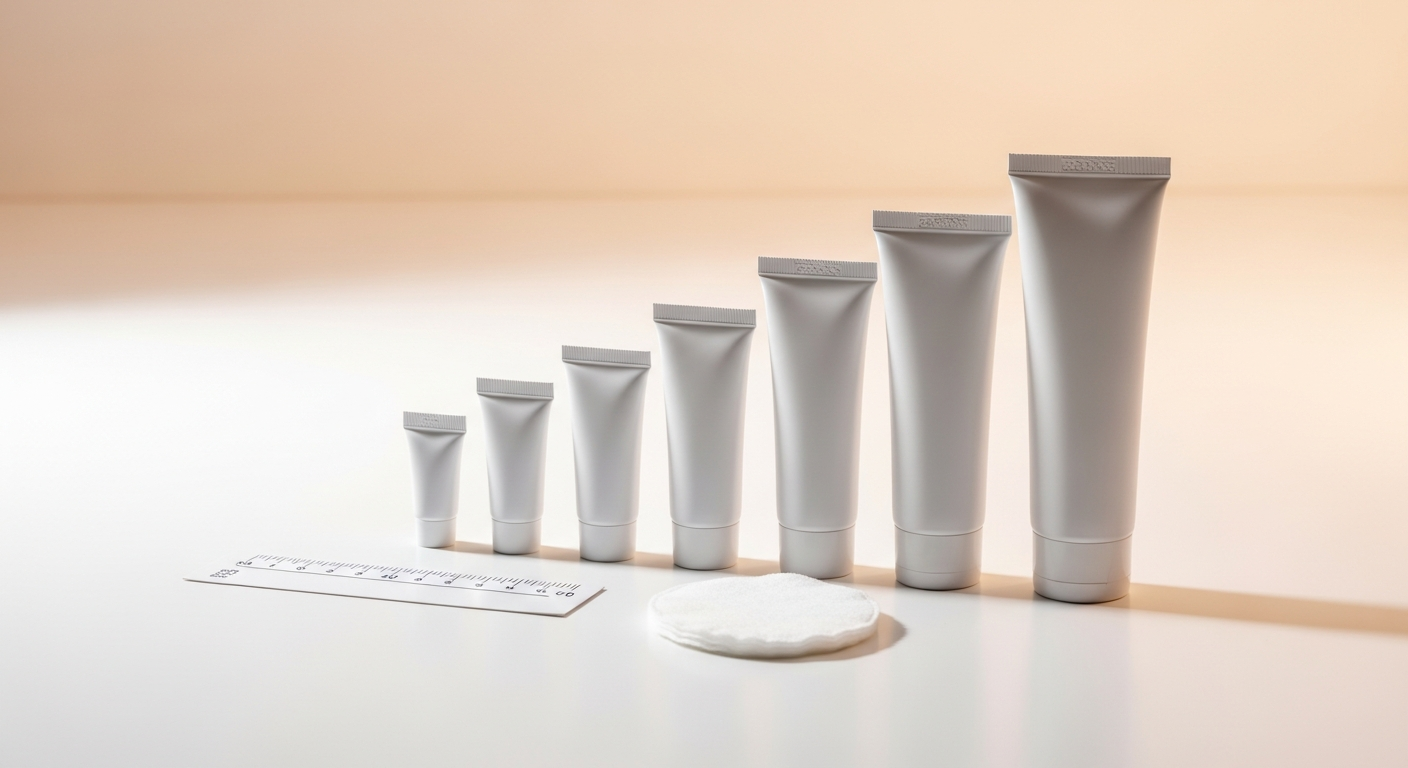
Right Amount (Fingertip Unit Method - FTU):
- 1 adult fingertip = covers 2 child hand-sized areas
- Use age-specific FTU charts (ask your provider)
- Never dilute with moisturizers unless specifically instructed
Right Duration:
- Treat flares promptly
- Continue 48 hours after skin looks clear
- Then switch to maintenance therapy
Breakthrough: Steroid-Free Options Now Available
Roflumilast (Zoryve): The Game-Changer
Currently approved: Roflumilast 0.15% cream is FDA-approved for children 6 years and older with mild to moderate eczema
Coming soon: The FDA is reviewing roflumilast 0.05% cream for ages 2-5, with an expected decision by October 13, 2025
Why parents love it:
- Once-daily application (simplifies routines)
- No steroid side effects
- Safe for sensitive areas (face, eyelids, neck)
- Clinical trials show itch relief within 24 hours
- Approved for long-term daily use
Other Steroid-Free Alternatives
For children under 6 (until roflumilast approval):
- Calcineurin inhibitors (tacrolimus, pimecrolimus): Ages 2+, ideal for face/folds
- Crisaborole: Approved from 3 months (may sting initially)
- Prescription moisturizers: Barrier repair creams
The 48-Hour Flare Rescue Protocol
When eczema flares, act fast with this dermatologist-approved approach:
Day 1-2: Intensive Treatment
- Soak (5-10 min lukewarm bath)
- Medicate (apply prescribed steroid to red areas within 3 minutes)
- Seal (moisturize entire body)
- Wrap (for severe areas: damp cotton layer + dry layer overnight)
Day 3-4: Assess and Adjust
- Continue treatment until 48 hours after clearing
- Begin transitioning to maintenance therapy
- Document what worked for future flares
Success tip: Parents using this protocol report dramatic improvement within 72 hours.
Daily Prevention Routine: Your Eczema Defense System
Morning (2 minutes)
- Quick moisturizer application
- Roflumilast (if prescribed) to trouble spots
- Sunscreen if going outside
Evening (10 minutes)
- Lukewarm bath (5 minutes max)
- Pat dry, leave slightly damp
- Apply treatments within 3 minutes
- Full-body moisturizer
Throughout the Day
- Reapply moisturizer to exposed areas
- Cool compresses for sudden itch
- Distraction activities during flare-ups
Special Considerations by Age
Babies (0-12 months)
- Drool rash prevention: Petroleum jelly barrier before feeds
- Sleep solutions: Wet wraps can provide overnight relief
- Diaper area: Usually spared (if affected, consider other diagnoses)
- New research shows treatments for infants 3 months+ in development
- If you developed eczema during pregnancy, see our guide to eczema treatment while pregnant or breastfeeding
Toddlers (1-3 years)
- Behavioral challenges: Make treatment fun with songs/games
- Scratch prevention: Mittens or socks on hands at night
- Clothing: Seamless, tagless, 100% cotton
Preschoolers (3-5 years)
- Empowerment: Let them help apply moisturizer
- School prep: Send eczema action plan to teachers
When Food Allergies Matter (And When They Don't)
Important: Most children with eczema do NOT need food restrictions.
Consider allergy testing only if:
- Eczema flares consistently after specific foods
- Immediate reactions occur (hives, swelling, vomiting)
- Severe eczema appears before 3 months of age
Peanut Introduction Guidelines
For high-risk infants with severe eczema: introducing peanut-containing foods between 4-6 months can help, but ONLY under medical guidance.
Red Flags: When to Seek Immediate Care
Call your provider TODAY if you notice:
- Honey-colored crusting or oozing (possible infection)
- Rapidly spreading redness or fever
- Blisters or painful skin
- No improvement after 5 days of treatment
The KindleeRx Difference: Expert Care, Delivered
Why Families Choose Us:
- Board-certified pediatric dermatology expertise — No more 3-month waits for appointments
- Personalized treatment plans — Including access to roflumilast and custom-compounded formulations
- Direct-to-door delivery — Prescription medications shipped from our pharmacy partner
- Affordable pricing — No insurance required, transparent costs
- Ongoing support — We adjust treatments as your child grows
Ready to get started? Start your child's journey to clear skin today.
Frequently Asked Questions
Q: How quickly will I see results? Most families see improvement within 48-72 hours of starting treatment. Significant clearing typically occurs within 2 weeks.
Q: Is KindleeRx covered by insurance? We operate outside insurance to keep costs low and access simple. Many families find our prices comparable to or less than insurance copays.
Q: Can you treat babies under 6 months? Yes, our dermatologists can prescribe age-appropriate treatments for infants as young as 3 months.
Q: What if the treatment doesn't work? We offer follow-up consultations and treatment adjustments at no additional charge for 60 days.
Sources
- American Academy of Pediatrics. "Atopic Dermatitis: Update on Skin-Directed Management." Pediatrics. April 2025;155(6):e2025071812.
- FDA Access Data. "ZORYVE (roflumilast) cream 0.15% Prescribing Information." July 2024.
- Simpson EL, et al. "Roflumilast Cream, 0.15%, for Atopic Dermatitis in Adults and Children: INTEGUMENT-1 and INTEGUMENT-2 Randomized Clinical Trials." JAMA Dermatology. November 2024;160(11):1161-1170.
- Eichenfield LF, et al. "Efficacy and Safety of Once-Daily Roflumilast Cream 0.05% in Pediatric Patients Aged 2-5 Years." Pediatric Dermatology. February 2025;42(2):296-304.
- AAAAI/ACAAI Joint Task Force. "Atopic Dermatitis Guidelines 2023." Annals of Allergy, Asthma & Immunology. March 2024;132(3):274-312.
- National Eczema Association. "Wet-Wrap Therapy and Soak & Seal Guidelines." Accessed September 2025.
- NICE Guidelines. "Atopic eczema in under 12s: diagnosis and management." Updated 2023.
- Arcutis Biotherapeutics. "FDA Accepts Supplemental New Drug Application for ZORYVE cream 0.05%." Press Release. February 26, 2025.