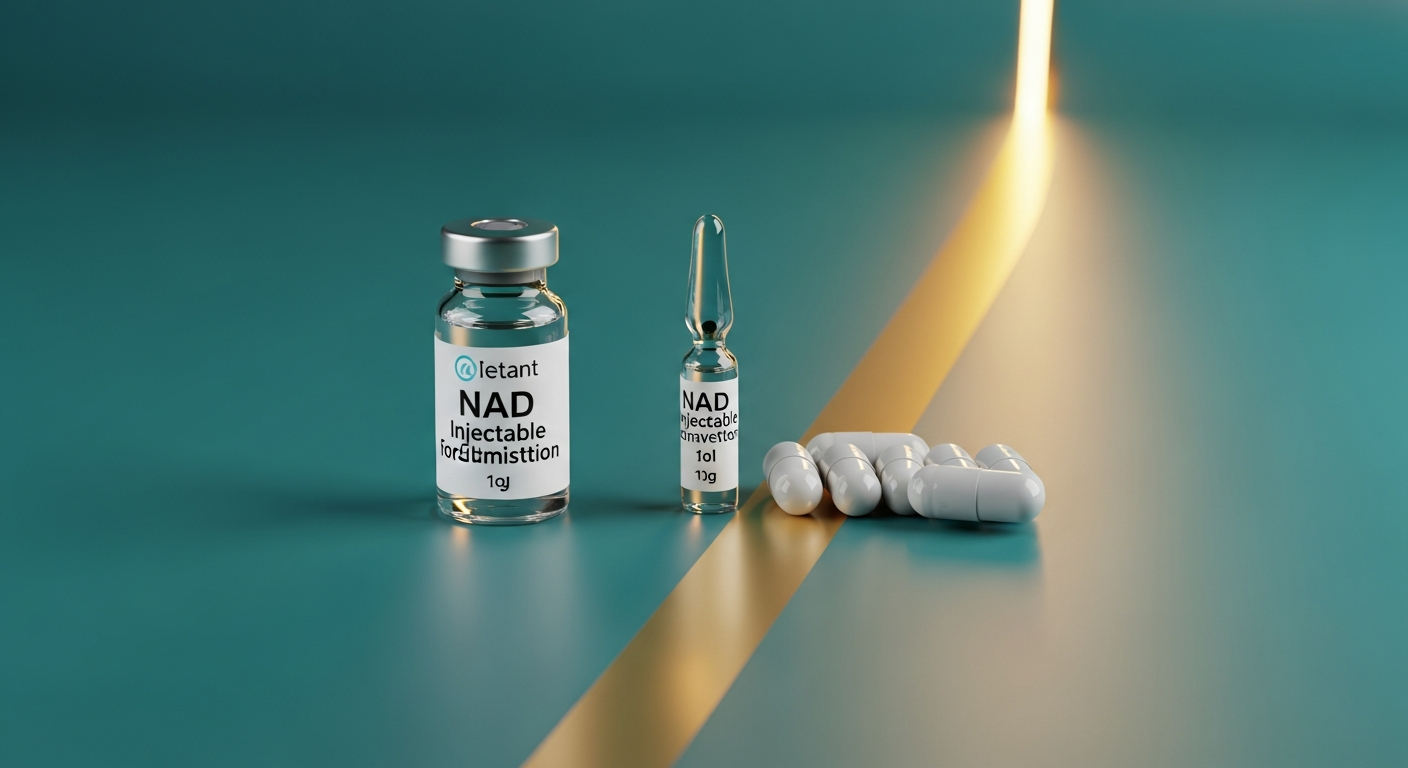

Every cell in your body requires energy to function. Whether it is a brain cell processing thoughts, a muscle cell powering movement, or an immune cell fighting infection, cellular energy is the foundation of health. At the center of this energy system sits a molecule called NAD+, and its decline with age is now understood to be one of the most significant drivers of the aging process itself.
What Is NAD+ and Why Does It Matter?
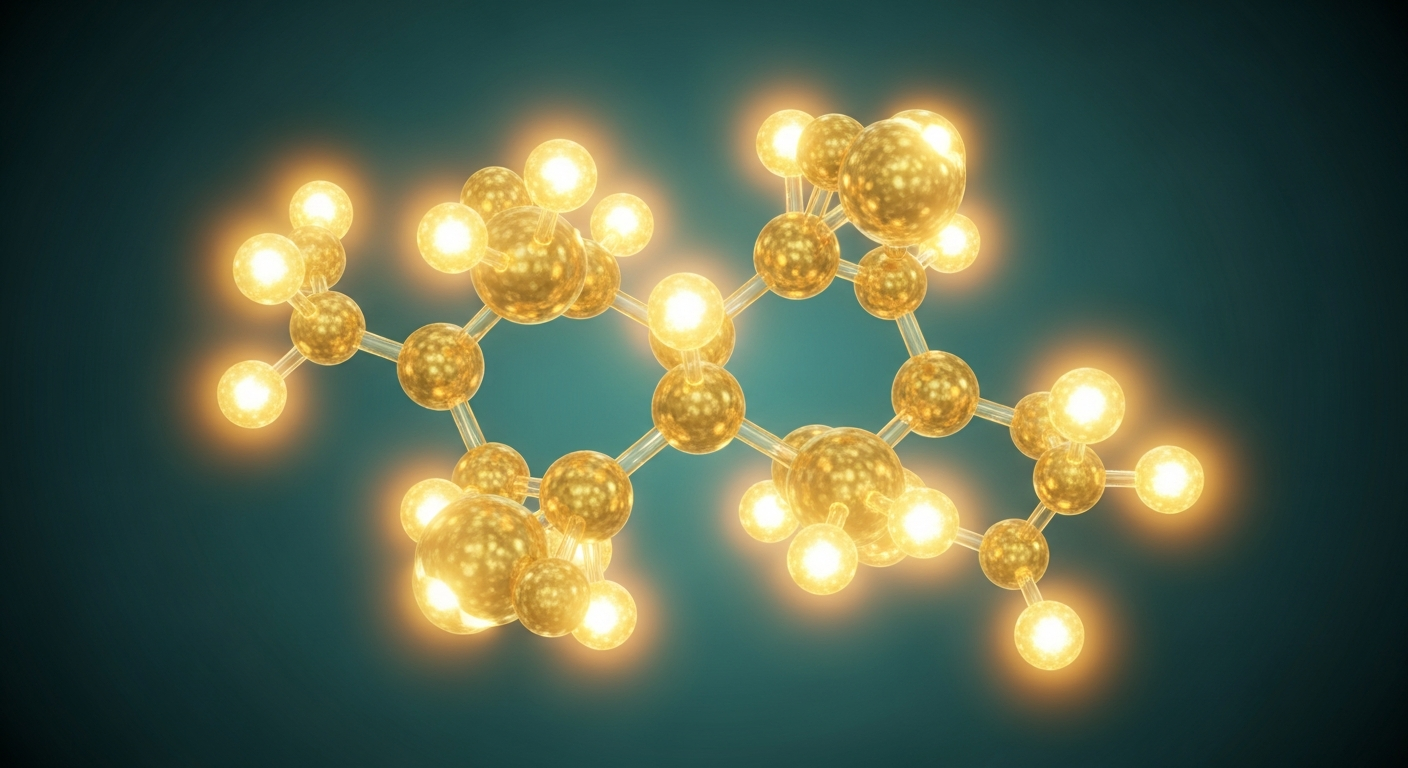
NAD+ (nicotinamide adenine dinucleotide) is a coenzyme present in every living cell. It exists in two forms: NAD+ (the oxidized form) and NADH (the reduced form). Together, they shuttle electrons between molecules in metabolic reactions, functioning as the essential currency of cellular energy transfer.
Without NAD+, your cells cannot convert the food you eat into the ATP (adenosine triphosphate) that powers cellular activity. But NAD+ does far more than just energy production. It serves as a critical cofactor for three families of enzymes that profoundly influence health and aging:
1. Sirtuins: The Longevity Regulators
Sirtuins are a family of seven proteins (SIRT1 through SIRT7) that regulate gene expression, DNA repair, inflammation, and metabolism. They are often called "longevity genes" because their activation has been consistently associated with extended lifespan and improved healthspan in research organisms.
Every sirtuin requires NAD+ to function. Without adequate NAD+, sirtuin activity decreases, leading to:
- Impaired DNA repair and increased accumulation of DNA damage
- Dysregulated gene expression and increased inflammation
- Reduced ability to adapt to metabolic stress
- Accelerated cellular aging
Caloric restriction, one of the most well-documented interventions for extending lifespan in laboratory animals, works in part by increasing NAD+ levels and activating sirtuins. NAD+ therapy aims to achieve similar sirtuin activation without the need for severe dietary restriction.
2. PARPs: The DNA Repair Crew
PARP enzymes (poly ADP-ribose polymerases) are the body's primary DNA repair workers. When DNA is damaged by radiation, oxidative stress, or normal metabolic byproducts, PARPs use NAD+ as a substrate to repair the breaks. This process consumes large amounts of NAD+.
As DNA damage accumulates with age (and NAD+ levels decline), PARPs become less efficient. Damaged DNA that is not properly repaired can lead to cellular dysfunction, senescence (cells that stop dividing but do not die), and potentially cancerous mutations. Maintaining adequate NAD+ levels ensures that PARPs have the fuel they need to keep DNA in good repair.
3. CD38: The NAD+ Consumer
CD38 is an enzyme whose activity increases significantly with age and chronic inflammation. Unfortunately, CD38 is one of the primary consumers of NAD+ in the body. As CD38 levels rise with age, it degrades NAD+ faster than the body can produce it, creating a deficit that accelerates aging at the cellular level.
This is one reason why simply "eating well and exercising" may not be enough to maintain NAD+ levels as you age. The biological machinery that consumes NAD+ becomes more active over time, requiring more direct intervention to maintain adequate levels.
How NAD+ Levels Change with Age
The decline in NAD+ is not subtle. Research has documented that NAD+ levels decrease by approximately 50% between young adulthood and middle age. By age 60 to 70, levels may be only 10% to 25% of what they were in your 20s.
This decline correlates with the onset and progression of many age-related conditions:
- Reduced mitochondrial function: Mitochondria (the cellular power plants) become less efficient at producing ATP, leading to decreased energy, endurance, and cellular resilience
- Increased inflammation: Often called "inflammaging," the chronic low-grade inflammation of aging is partly driven by reduced sirtuin activity from NAD+ depletion
- Cognitive decline: Brain cells are particularly sensitive to NAD+ levels because of their high energy demands. Declining NAD+ is associated with reduced neuronal function and increased vulnerability to neurodegenerative conditions
- Metabolic dysfunction: Insulin sensitivity, fat metabolism, and glucose regulation all depend on NAD+-dependent pathways
- Cardiovascular changes: Blood vessel health and cardiac function are influenced by NAD+-dependent mechanisms
NAD+ and Mitochondrial Function
Mitochondria deserve special attention in any discussion of NAD+ and aging. These organelles produce approximately 90% of the ATP your body uses, and they depend entirely on NAD+ to do so.
The process works like this: when you eat food, your body breaks it down into glucose, fatty acids, and amino acids. These molecules enter the mitochondria, where they are processed through a series of reactions (the citric acid cycle and the electron transport chain). NAD+ is the essential electron carrier in these reactions. It accepts electrons from food molecules and delivers them to the electron transport chain, where they drive ATP production.
When NAD+ is scarce:
- ATP production decreases, leading to cellular energy deficit
- Mitochondria generate more reactive oxygen species (free radicals), which damage cellular components
- Damaged mitochondria are not efficiently recycled (a process called mitophagy), leading to accumulation of dysfunctional mitochondria
- Cells become less resilient to stress and more prone to dysfunction
By restoring NAD+ levels, mitochondrial efficiency improves, ATP production increases, and the damaging cycle of mitochondrial decline is slowed or partially reversed.
The Signs of Declining NAD+
Because NAD+ affects so many systems, its decline can manifest in multiple ways:
- Persistent fatigue that does not improve with adequate sleep
- Brain fog and difficulty concentrating
- Slower recovery from exercise, illness, or injury
- Decreased exercise tolerance and endurance
- Poor sleep quality, particularly less time in deep sleep
- Increased susceptibility to illness and longer recovery from infections
- Skin changes including dryness, thinning, and slower wound healing
- Mood changes, including increased irritability or low motivation
These symptoms are often attributed to "just getting older," but they reflect measurable biochemical changes that can be addressed.
What the Research Shows About NAD+ Restoration
The scientific case for NAD+ restoration has grown considerably in recent years:
Animal studies have demonstrated that restoring NAD+ levels in aged mice can reverse aspects of aging, including improved mitochondrial function, enhanced muscle performance, increased insulin sensitivity, and extended lifespan. While animal results do not always translate directly to humans, the consistency of these findings across multiple species and research groups is compelling.
Human studies of NAD+ precursors (NMN and NR) have confirmed that oral supplementation can raise blood levels of NAD+ metabolites, though the clinical benefits have been variable. This variability is likely due in part to the bioavailability limitations of oral administration.
Clinical observations from practices using injectable NAD+ have reported consistent improvements in energy, cognitive function, sleep quality, and recovery in adult patients, with effects typically noticeable within days to weeks of initiating therapy.
Lifestyle Strategies That Support NAD+ Levels
While NAD+ therapy provides the most direct route to restoring levels, several lifestyle strategies can help support NAD+ production and reduce depletion:
Exercise
Regular physical activity, particularly high-intensity exercise and resistance training, stimulates NAD+ biosynthesis through activation of AMPK and NAMPT, key enzymes in the NAD+ salvage pathway. Exercise also promotes mitochondrial biogenesis, creating more efficient energy-producing organelles.
Caloric Management
Caloric restriction and time-restricted eating (intermittent fasting) have been shown to increase NAD+ levels in animal studies. The mechanism involves activation of AMPK and sirtuins. Even modest caloric reduction or a consistent 12 to 16 hour overnight fast may provide benefits.
Sleep Optimization
NAD+ levels fluctuate with circadian rhythm, and disrupted sleep patterns can impair NAD+ biosynthesis. Prioritizing consistent sleep timing, adequate duration (7 to 9 hours), and good sleep hygiene supports natural NAD+ cycling.
Reducing Chronic Inflammation
Because CD38 (the primary NAD+ consumer) is activated by chronic inflammation, strategies that reduce inflammatory burden help preserve NAD+ levels. These include maintaining a healthy weight, managing stress, limiting processed foods and excess alcohol, and treating chronic inflammatory conditions.
When to Consider NAD+ Therapy
If you are experiencing the cumulative effects of aging on your energy, cognition, recovery, or overall vitality, NAD+ therapy offers a scientifically grounded approach to addressing these changes at the cellular level. The molecule is fundamental to how your cells produce energy, repair DNA, and regulate the aging process itself.
At KindleeRX, our clinicians help determine whether NAD+ therapy is appropriate for your situation. We provide pharmaceutical-grade injectable NAD+ with personalized dosing protocols, along with guidance on lifestyle strategies that complement therapy for the best possible results.
Frequently Asked Questions
At what age should I consider NAD+ therapy? NAD+ decline begins around age 30 and accelerates after 40. Most patients who pursue NAD+ therapy are in their 40s to 60s, though younger patients with high physical demands or specific health concerns may also benefit.
Is NAD+ therapy the same as taking niacin (vitamin B3)? Not exactly. Niacin is an NAD+ precursor, but the conversion process is inefficient and high-dose niacin causes uncomfortable flushing. Injectable NAD+ bypasses this conversion entirely, delivering the active molecule directly.
Can NAD+ therapy help with chronic fatigue? Many patients with persistent fatigue, including those with conditions associated with mitochondrial dysfunction, report significant improvement with NAD+ therapy. While it is not a cure for any specific condition, restoring cellular energy production can meaningfully improve energy levels.
How long do the effects of NAD+ therapy last? The effects of NAD+ therapy are maintained as long as levels remain adequate. Most patients continue a maintenance protocol of 1 to 2 injections per week to sustain benefits. If therapy is discontinued, NAD+ levels will gradually return to their pre-treatment baseline.
Sources
- Imai SI, Guarente L. NAD+ and sirtuins in aging and disease. Trends Cell Biol. 2014;24(8):464-471.
- Verdin E. NAD+ in aging, metabolism, and neurodegeneration. Science. 2015;350(6265):1208-1213.
- Camacho-Pereira J, et al. CD38 dictates age-related NAD decline and mitochondrial dysfunction through an SIRT3-dependent mechanism. Cell Metab. 2016;23(6):1127-1139.
- Yoshino J, et al. Nicotinamide mononucleotide, a key NAD+ intermediate, treats the pathophysiology of diet- and age-induced diabetes in mice. Cell Metab. 2011;14(4):528-536.
- Rajman L, Chwalek K, Sinclair DA. Therapeutic potential of NAD-boosting molecules. Cell Metab. 2018;27(3):529-547.