
You have probably heard of antioxidants like vitamin C, vitamin E, and beta-carotene. But there is one antioxidant that overshadows them all in importance, and it is one your body makes itself: glutathione. Often called the "master antioxidant," glutathione is present in every cell and plays a role in nearly every major protective and repair process in the body. Understanding what it does, why it declines, and how to restore it is essential for anyone interested in long-term health and vitality.
What Is Glutathione?
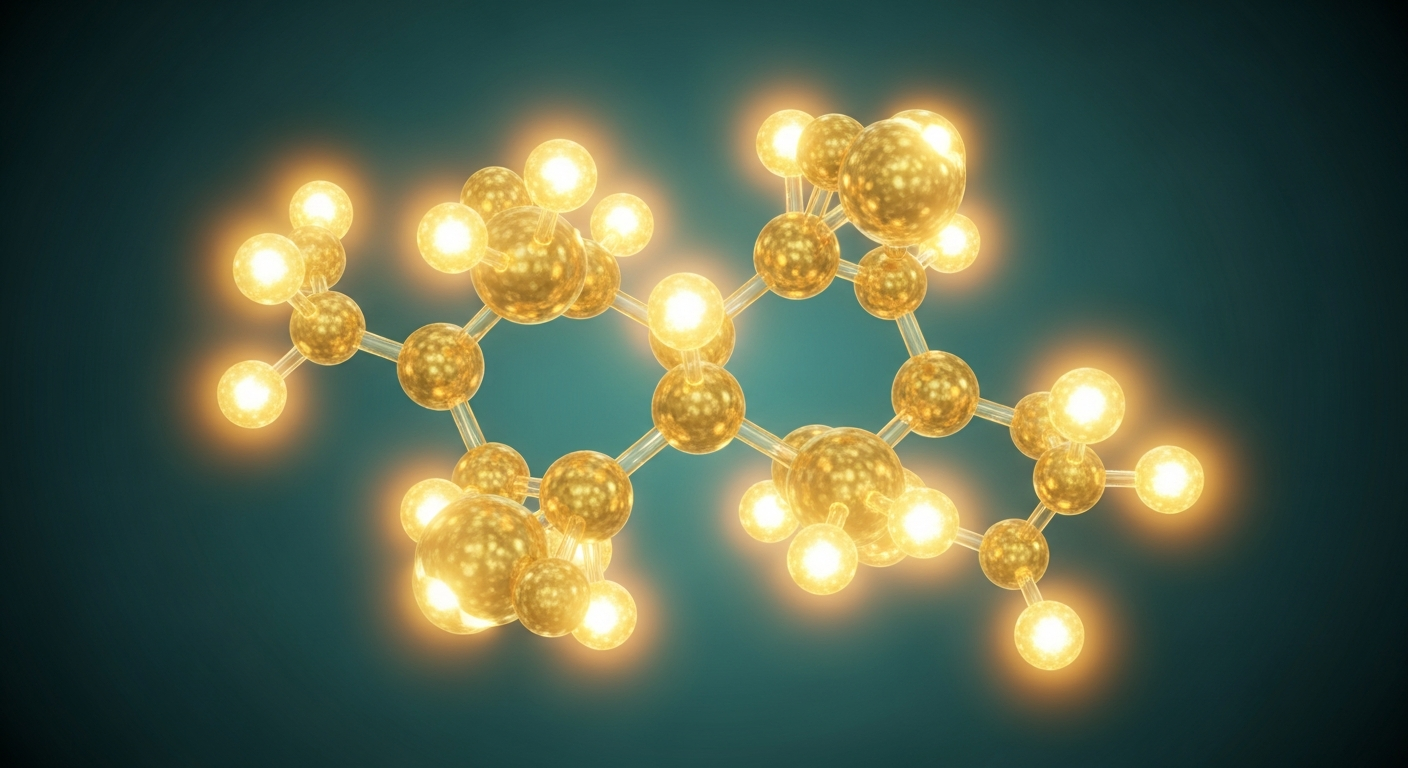
Glutathione (GSH) is a tripeptide, meaning it is a small molecule made from three amino acids: glutamate, cysteine, and glycine. Despite its simple structure, glutathione is arguably the most important molecule in the body's defense system.
It is produced primarily in the liver, which is fitting because the liver is the body's central detoxification organ. From there, glutathione is distributed to cells throughout the body, where it performs its protective functions.
What sets glutathione apart from other antioxidants is its versatility and concentration. It is present in millimolar concentrations inside cells, making it the most abundant intracellular antioxidant by a wide margin. It also has the unique ability to regenerate other antioxidants (including vitamins C and E) after they have been used up, which is why researchers gave it the "master antioxidant" designation.
The Five Essential Functions of Glutathione
1. Neutralizing Free Radicals and Oxidative Stress
Free radicals are unstable molecules generated as byproducts of normal metabolism, exercise, immune activity, and environmental exposures (pollution, UV radiation, toxins). These molecules damage cellular components including DNA, proteins, and cell membranes.
Glutathione neutralizes free radicals by donating an electron, stabilizing the reactive molecule without becoming destructive itself. It then cycles back to its active form through an enzymatic process involving glutathione reductase and NADPH, ready to neutralize more free radicals. This recycling ability is what makes glutathione so efficient and why it operates at much higher concentrations than other antioxidants.
2. Detoxification
Glutathione is central to Phase II liver detoxification, the process by which the liver converts fat-soluble toxins into water-soluble compounds that can be excreted through urine or bile. This process, called conjugation, involves glutathione binding directly to toxins, heavy metals, drug metabolites, and environmental chemicals, tagging them for removal.
Without adequate glutathione, the liver's ability to process and eliminate toxins is significantly impaired. This can lead to toxic buildup and increased oxidative damage to tissues throughout the body.
3. Immune System Support
Glutathione plays a critical role in immune function at multiple levels:
- Lymphocyte activation: T cells and natural killer (NK) cells require adequate glutathione to proliferate and function effectively. Studies have shown that glutathione-depleted immune cells are significantly less effective at fighting infections.
- Inflammatory regulation: Glutathione helps modulate the inflammatory response, supporting appropriate inflammation when needed (to fight infection) while preventing chronic, excessive inflammation.
- Antiviral defense: Adequate glutathione levels support the body's ability to mount effective responses to viral infections. Research has linked low glutathione levels to increased susceptibility to respiratory infections.
4. Cellular Repair and Protein Maintenance
Glutathione protects proteins from oxidative damage through a process called glutathionylation, in which it temporarily binds to protein sulfhydryl groups to prevent irreversible oxidation. This protective mechanism is essential for maintaining the function of enzymes, receptors, and structural proteins throughout the body.
When proteins are damaged beyond repair, glutathione also participates in the cellular recycling processes that break down and replace dysfunctional proteins.
5. Mitochondrial Protection
Mitochondria generate the vast majority of free radicals in the body as a byproduct of energy production. Without adequate protection, these free radicals damage mitochondrial DNA and membranes, leading to decreased energy production and cellular dysfunction.
Mitochondrial glutathione (mGSH) serves as the primary antioxidant defense within mitochondria. It protects the electron transport chain and mitochondrial DNA from oxidative damage, helping maintain efficient energy production as you age.
Why Glutathione Declines with Age
Glutathione levels decrease progressively after age 20, with a significant acceleration after age 45 to 50. Several factors contribute to this decline:
- Reduced production: The enzymes responsible for synthesizing glutathione become less efficient with age
- Increased demand: Accumulated environmental toxin exposure, chronic inflammation, and metabolic stress increase the rate at which glutathione is consumed
- Nutrient insufficiencies: The amino acid precursors needed for glutathione synthesis (particularly cysteine) may become less available due to dietary changes or reduced absorption
- Medication effects: Many common medications, including acetaminophen (Tylenol), deplete glutathione stores
- Chronic stress: Psychological and physical stress increase oxidative burden and glutathione consumption
The consequences of glutathione depletion are far-reaching:
- Increased vulnerability to infections and slower recovery from illness
- Accelerated cellular aging and tissue damage
- Impaired liver detoxification capacity
- Greater susceptibility to environmental toxin damage
- Decreased energy and increased fatigue
- Compromised immune function
Signs Your Glutathione May Be Low
While a blood test is the definitive way to assess glutathione status, several symptoms may suggest depletion:
- Chronic fatigue that does not improve with rest
- Frequent infections or prolonged illness recovery
- Increased sensitivity to environmental chemicals or fragrances
- Brain fog or difficulty concentrating
- Pale or dull skin complexion
- Muscle weakness or slow post-exercise recovery
- Joint pain or stiffness
These symptoms overlap with many conditions, so they are not diagnostic on their own. However, if multiple symptoms are present, glutathione depletion is worth investigating.
Foods and Nutrients That Support Glutathione
While dietary approaches alone may not fully restore depleted glutathione levels, several nutrients support its production:
- Sulfur-rich foods: Cruciferous vegetables (broccoli, Brussels sprouts, cauliflower, kale), garlic, onions, and eggs provide cysteine and other sulfur compounds needed for glutathione synthesis
- Selenium: A cofactor for glutathione peroxidase, one of the key enzymes that uses glutathione. Found in Brazil nuts, fish, and organ meats
- Vitamin C: Works synergistically with glutathione and helps recycle it back to its active form
- Alpha-lipoic acid: A powerful antioxidant that helps regenerate glutathione
- N-acetyl cysteine (NAC): A supplemental form of cysteine that directly supports glutathione production. NAC is used in hospitals to treat acetaminophen overdose specifically because it restores glutathione
When to Consider Glutathione Therapy
If you are experiencing symptoms of oxidative stress, frequent illness, low energy, or simply want to support your body's detoxification and immune function as you age, glutathione therapy may be appropriate. Because oral glutathione has significant bioavailability limitations, many clinicians recommend injectable formulations for patients who want meaningful results.
At KindleeRX, our clinicians evaluate your health status and goals to determine whether glutathione therapy is right for you. We provide pharmaceutical-grade injectable glutathione prepared by licensed compounding pharmacies, along with personalized protocols designed to restore and maintain optimal levels.
Frequently Asked Questions
Is glutathione safe to supplement? Glutathione is produced naturally by the body and is present in many foods. Supplemental glutathione, particularly in injectable form, has a strong safety profile. Side effects are rare and generally mild (occasional injection site discomfort or mild flushing).
How long does it take to see results from glutathione therapy? Many patients notice improvements in energy and mental clarity within the first 1 to 2 weeks of injectable glutathione therapy. Immune and detoxification benefits develop over weeks to months of consistent use.
Can I just eat more broccoli instead? Dietary strategies support glutathione production but typically cannot fully compensate for age-related decline or significant depletion. Think of dietary support as the foundation and targeted therapy as the restoration when levels have dropped below the threshold where food alone can keep up.
Who should not take glutathione? Patients undergoing chemotherapy should consult their oncologist before using glutathione, as its antioxidant properties could theoretically interfere with certain cancer treatments. Otherwise, glutathione therapy is generally well-tolerated by most adults.
Sources
- Wu G, et al. Glutathione metabolism and its implications for health. J Nutr. 2004;134(3):489-492.
- Ballatori N, et al. Glutathione dysregulation and the etiology and progression of human diseases. Biol Chem. 2009;390(3):191-214.
- Dringen R. Metabolism and functions of glutathione in brain. Prog Neurobiol. 2000;62(6):649-671.
- Pizzorno J. Glutathione! Integr Med (Encinitas). 2014;13(1):8-12.
- Forman HJ, Zhang H, Rinna A. Glutathione: overview of its protective roles, measurement, and biosynthesis. Mol Aspects Med. 2009;30(1-2):1-12.