
Eczema (atopic dermatitis) can be a stubborn, itchy condition, but modern treatments offer real hope. For decades, topical corticosteroids have been the go-to therapy for quickly calming flares. In this article, we will explain how topical steroids work, review their benefits and risks, and highlight the rise of newer steroid-free alternatives.
How Topical Steroids Work to Control Eczema Flares
Topical corticosteroids are anti-inflammatory medications applied directly to the skin. They work by suppressing overactive immune responses, thereby reducing inflammation, redness, and itching. In eczema, the immune response in the skin is dysregulated, causing intense inflammation that damages the skin barrier. Corticosteroid creams and ointments penetrate the skin and bind to steroid receptors in cells, blocking the production of inflammatory chemicals like cytokines and prostaglandins. This rapidly calms the flare, allowing the skin to begin healing.
Steroids have been used in dermatology for over 60 years and are supported by extensive research, including over 100 clinical trials in atopic dermatitis. Multiple studies confirm that topical steroids significantly improve eczema symptoms and help clear rashes in both adults and children. When a severe eczema flare strikes, speed matters. Topical steroids can start to reduce itch and redness within days of consistent use, with many patients noticing improvement in 24-72 hours as swelling goes down and the urge to scratch eases. Since steroids directly target inflammatory pathways, they can halt the itch-scratch cycle fast, giving the skin a chance to repair.
They're also versatile. There are many strengths (potencies) available, from mild over-the-counter hydrocortisone to ultra-potent prescription formulas. This allows dermatologists to tailor treatment to the severity of your eczema and the specific area of skin involved. When used correctly, topical steroids offer rapid relief, helping to clear up rough, inflamed patches so you can sleep better and feel more comfortable in your skin.
Safe Use of Topical Steroids: Potency, Duration, and Application Tips
While topical steroids are powerful allies against eczema, it's important to use them safely and strategically. The key to getting maximum benefits while minimizing risks lies in matching the right steroid strength to the right body area, using them for appropriate durations, and applying them correctly.
Match the Steroid Potency to the Body Area
Steroids come in low, medium, high, and super-high potencies. Delicate areas like the face, neck, eyelids, and skin folds require lower potency steroids to avoid thinning of the skin. Tougher, thicker-skinned areas such as the palms, soles, or very scaly patches may require a higher potency for short periods. Your dermatologist will prescribe the appropriate strength for each affected area. When in doubt, never use a super-potent steroid on sensitive areas unless specifically directed by a doctor.
Use for Limited Durations
Topical steroids are meant for short-term flare control, not continuous long-term use on the same area. As a general rule, super high-potency steroids (like clobetasol) and high-to-mid potency steroids should be used for about two weeks in a row before requiring a break. Often, a potent steroid is used daily for a couple of weeks to quiet a flare, then "stepped down" to a milder steroid or switched to a non-steroidal cream for maintenance.
This "pulse" approach, intense treatment followed by a pause or transition, prevents chronic overuse. It's the long-term continuous use of steroids that can become problematic because it can thin the skin.
Apply the Right Amount, the Right Way
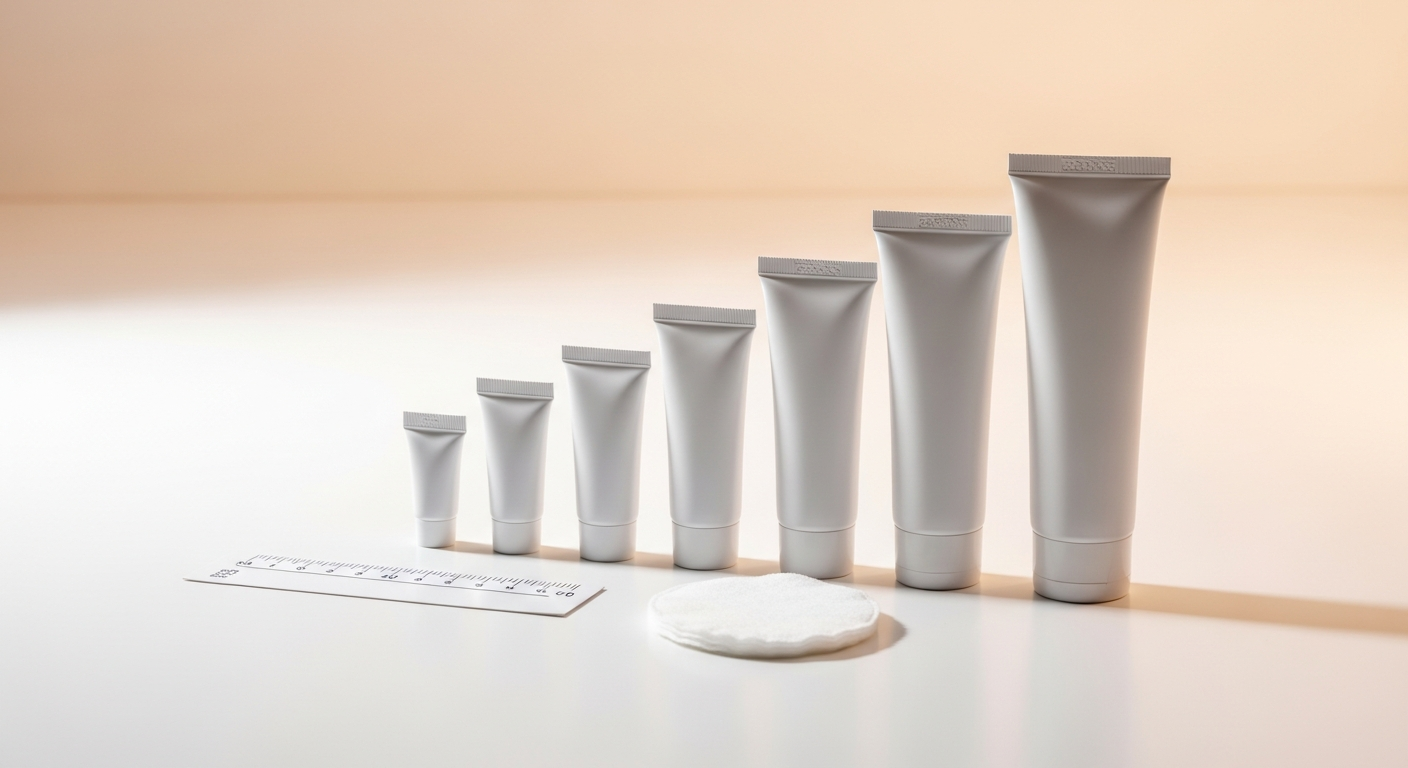
When it comes to creams and ointments, more is not always better. Apply a thin layer of the steroid only on the affected areas, not the entire body. Dermatologists often use the "fingertip unit" rule to gauge the right amount. One fingertip of cream (from the tip of your index finger to the first crease) covers roughly a hand-sized area of skin. For reference, an adult's face and neck together require about 2.5 fingertip units, while one arm needs about 3 fingertip units.
Most topical steroids are applied once or twice daily. Using them more often won't necessarily speed results and could increase side effects. It's also wise to apply your steroid cream after bathing and moisturizing (the "soak and seal" method), when skin is hydrated, to enhance absorption. Some patients complement this with natural and holistic approaches such as colloidal oatmeal baths for additional relief. Always follow the regimen your provider gives, and never abruptly stop a strong steroid if you've used it for several weeks. Your doctor may advise tapering off to avoid a rebound flare.
Monitor for Side Effects
When used appropriately under medical guidance, topical steroids are considered safe and effective for eczema management. However, improper use can cause local side effects including skin thinning (atrophy), stretch marks, or discoloration. More rarely, excessive use over large body surface areas can lead to systemic absorption.
To stay safe, stick to the prescribed amount and duration. If you notice skin getting fragile, or any unusual changes like small pimples around the mouth or worsening redness, inform your dermatologist. Fortunately, serious side effects are uncommon when low or mid-potency steroids are used correctly for appropriate durations. Short bursts are the way to go -- knock out the flare, then ease off or transition to safer long-term options.
Steroid Alternatives: Why Look Beyond Steroids?
Topical steroids are highly effective, but they're not meant to be used forever. Many eczema sufferers are understandably concerned about using steroids continuously, especially on sensitive facial skin or in young children. Issues like skin thinning with prolonged use, potential effects on growth in children, or simply diminishing returns over time can make long-term steroid use less ideal. Some patients also experience stinging or burning from steroids on delicate skin.
These concerns have driven the development of non-steroidal anti-inflammatory creams that can control eczema without corticosteroid-related side effects. For a full comparison of available options, see our guide on OTC vs. prescription eczema treatments. The idea is to treat eczema's underlying immune imbalance through different mechanisms. Options include topical calcineurin inhibitors (like tacrolimus and pimecrolimus), PDE4 inhibitors (like crisaborole and the newer roflumilast), and topical JAK inhibitors (like ruxolitinib). Each works through a different pathway to reduce inflammation.
However, older non-steroidal options have their own limitations. Tacrolimus, while effective, causes a burning sensation in 20-60% of patients upon application, which can be difficult to tolerate. Crisaborole (Eucrisa) also causes stinging or burning in a significant portion of users, with real-world studies reporting application site pain in up to 30% of patients. These tolerability issues often lead patients to discontinue treatment prematurely.
The good news is that a new generation of steroid-free therapy has arrived that is both highly effective and remarkably well-tolerated: roflumilast cream.
Roflumilast (Zoryve): A Next-Generation Steroid-Free Eczema Treatment
One of the most exciting advances in eczema treatment is roflumilast cream, approved under the brand name Zoryve. Roflumilast represents a significant leap forward in topical eczema treatment, offering powerful anti-inflammatory action without the limitations of steroids or the tolerability issues that plagued earlier non-steroidal options.
How Roflumilast Works
Roflumilast is a phosphodiesterase-4 (PDE4) inhibitor. Here's how it works in plain terms: inside your skin cells, there's a chemical messenger called cAMP that acts as a natural "calm down" signal, telling immune cells to reduce inflammation. In eczema-prone skin, an enzyme called PDE4 breaks down this calming messenger too quickly, allowing inflammation to spiral out of control.
Roflumilast blocks PDE4, allowing cAMP levels to build up naturally. With more of this anti-inflammatory messenger present, immune cells receive stronger signals to reduce their activity. The result: less redness, less swelling, and less itching. Unlike older treatments that target only one pathway, PDE4 inhibitors work broadly across multiple cell types including T-cells, mast cells, and keratinocytes, making them effective throughout the entire inflammatory cascade.
Proven Efficacy in Clinical Trials
Roflumilast's effectiveness has been established in two large Phase 3 clinical trials (INTEGUMENT-1 and INTEGUMENT-2) enrolling over 1,300 patients across the United States, Canada, and Poland. The results were impressive. After just four weeks of once-daily use, approximately 30% of patients achieved completely clear or almost clear skin, compared to only about 12-15% using a placebo cream. Around 42-43% of patients achieved a 75% improvement in their eczema severity scores (known as EASI-75) which is a clinically meaningful response threshold.
Perhaps most importantly for patients suffering from relentless itch, roflumilast provided rapid relief. Clinical trials demonstrated statistically significant itch reduction within just 24 hours of the first application. This quick onset of action helps break the itch-scratch cycle early, preventing further skin damage and improving quality of life almost immediately.
Superior Tolerability
What truly sets roflumilast apart from earlier non-steroidal options is its exceptional tolerability. Application site reactions, the burning and stinging that plagued tacrolimus and crisaborole, occur in fewer than 2% of roflumilast users. Compare this to burning rates of 20-60% with tacrolimus and up to 30% with crisaborole, and the difference becomes clear.
This superior tolerability stems partly from roflumilast's novel cream formulation, which uses ceramide-based vehicle chemistry rather than the irritating propylene glycol found in some older products. Clinical trials showed that fewer than 2% of patients discontinued roflumilast due to any side effects, which is an exceptionally low discontinuation rate that speaks to its gentle profile. In long-term extension studies following patients for up to 56 weeks, roflumilast maintained its excellent safety profile with no new concerns emerging over time.
Guideline Recognition
Roflumilast's combination of efficacy and tolerability has earned it a strong recommendation in the American Academy of Dermatology's 2025 Focused Update guidelines for treating mild to moderate atopic dermatitis in adults. The guidelines specifically note roflumilast's favorable tolerability profile and low treatment discontinuation rates, making it well-suited for daily disease management. This recognition from the leading dermatology organization underscores roflumilast's place as a first-line steroid-free option.
Safe for Sensitive Areas and All Ages
Another major advantage of roflumilast is its safety profile for use on all skin areas, including those where steroids are risky. You can apply it to facial eczema, eyelid skin, neck, and skin folds without worry of causing the thinning or other complications that long-term steroid use might trigger. This makes roflumilast an excellent choice for maintaining control in these sensitive, hard-to-treat locations.
Roflumilast is now FDA-approved for patients as young as 2 years old, following successful pediatric trials that demonstrated similar efficacy and safety in children. This broad age range makes it a versatile option for the whole family.
Integrating Steroids and Steroid-Free Options: The KindleeRx Approach
At KindleeRx, we understand that one size doesn't fit all when it comes to eczema care. The most effective treatment plans combine the strengths of both topical steroids and steroid-free therapies in a balanced, strategic way. Our approach mirrors what top dermatologists recommend: use short bursts of steroids to quickly calm severe flares, then transition to steroid-free maintenance to keep skin healthy long-term. This gives you the best of both worlds. Fast relief when you really need it, and a safe daily solution to prevent frequent flares.
Kickstart Flare Control with Steroids
If you're experiencing an intense flare with angry red patches and major itch, a KindleeRx dermatologist may prescribe a targeted topical steroid for a brief period. We'll make sure you know exactly how to use it safely, which areas to treat, and when to stop. By acting quickly, we not only relieve your symptoms but also prevent further skin damage from scratching.
Transition to Steroid-Free Maintenance
Once the flare is under control, the focus shifts to keeping it that way. This is where roflumilast cream comes in. You'll apply roflumilast once a day on areas prone to eczema (even when they look clear) to quiet the lingering subclinical inflammation beneath the surface. Roflumilast does the heavy lifting for maintenance, preventing new flares without any steroid exposure. Unlike steroids, you don't need to limit how long you use roflumilast, so it can serve as a continuous protective shield for sensitive spots like your face or skin folds. Many KindleeRx patients find that with this regimen, their severe flares become far less frequent over time.
Custom-Compounded Solutions
Every eczema case is different. KindleeRx physicians often design custom-compounded creams that blend multiple beneficial ingredients tailored to your specific needs. For example, if you have eczema with a component of yeast overgrowth or frequent skin infections, we might incorporate an antifungal or antibiotic into your formulation. We can even add hydrating agents or soothing ingredients like calamine to enhance comfort. All formulas are pharmaceutical-grade and crafted specifically for your skin condition.
Dermatologist Oversight and Ongoing Support
When you start with KindleeRx, you'll consult online with an experienced board-certified dermatologist who truly listens. They'll evaluate your eczema's history, your skin type, and any past treatments to craft a personalized plan. This isn't a one-off encounter. We provide continuous care and follow-ups. Your dermatologist will check in on your progress, adjust prescriptions if needed, and be there to answer questions. This ensures you're always using the right treatment at the right time for optimal results.
Seamless, Affordable Treatment Delivery
Forget waiting weeks for an in-person appointment or driving to multiple pharmacies. KindleeRx offers seamless access to expert care from the comfort of your home. After your online consultation, we ship your medications directly to your door from our partner pharmacy, often arriving in just a few days. We also believe in transparent, fair pricing. All our services are cash-based with no insurance required, sparing you high copays or surprise bills. In fact, our prices are often lower than many insurance copays, and you get the benefit of custom formulations not available at regular pharmacies.
Embrace a Safer, Smarter Eczema Treatment Plan
Living with eczema can be challenging, but with the right approach, you can significantly improve your skin's health and your quality of life. While eczema cannot be cured permanently, long periods of clear skin are achievable for most people. Topical steroids remain an important tool. They offer unmatched speed in quelling a raging flare and, when used carefully, are a safe short-term fix to "reset" your skin. Now, thanks to innovations like roflumilast and other steroid-free options, you no longer have to rely on steroids alone. By combining a fast-acting steroid for flare-ups with a steroid-free maintenance plan, you can enjoy longer itch-free periods and healthier skin overall.
KindleeRx is here to help you every step of the way. Our warm, professional team will design a personalized regimen that fits your life. Whether your eczema is mild and mostly on your face, or more widespread and unpredictable. You'll have expert guidance on using topical steroids safely and effectively, plus access to modern treatments like roflumilast that keep the momentum going once the flare is tamed. With convenient online consults and home delivery, getting top-tier eczema care has never been easier.
Don't let eczema hold you back any longer. It's time to take control with a treatment plan that's both aggressive on eczema and gentle on you. Rediscover the relief of clear, calm skin and the confidence that comes with it. Start your KindleeRx consultation today, and join the many individuals who have found their path to lasting eczema relief.
Sources
- Simpson EL, Eichenfield LF, Alonso-Llamazares J, et al. Roflumilast Cream, 0.15%, for Atopic Dermatitis in Adults and Children: INTEGUMENT-1 and INTEGUMENT-2 Randomized Clinical Trials. JAMA Dermatology. 2024;160(11):1161-1170.
- Davis DMR, Frazer-Green L, Alikhan A, et al. Focused update: Guidelines of care for the management of atopic dermatitis in adults. Journal of the American Academy of Dermatology. 2025;93(3):745.e1-745.e7.
- Simpson EL, et al. Long-Term Safety and Efficacy with Roflumilast Cream 0.15% in Patients Aged 6 Years and Older with Atopic Dermatitis: A Phase 3 Open-Label Extension Trial. Dermatitis. 2025.
- Stacey SK, McEleney M. Topical Corticosteroids: Choice and Application. American Family Physician. 2021;103(6):337-343.
- Eichenfield LF, Tom WL, Berger TG, et al. Guidelines of care for the management of atopic dermatitis. Journal of the American Academy of Dermatology. 2014;71(1):116-132.
- National Eczema Association. Prescription Topicals. nationaleczema.org. Accessed 2025.
- U.S. Food and Drug Administration. ZORYVE (roflumilast) cream prescribing information. 2024.